

Commercial kitchens are on fire for a long time every day, and stoves, fryers, and barbecue grills will produce a large amount of high-temperature fumes. A well-designed exhaust system will capture hot air and fumes through the hood, intercept grease through filters or degreasing devices, and finally discharge it from the building through the ducts and fans, while the fresh air system will replenish fresh air to maintain the comfort and safety of the kitchen.
However, when the hood, filter, air duct and pig cage fan are not properly cleaned for a long time, grease will accumulate wildly, causing several fatal problems:
-
- The actual air extraction volume is much lower than the original design value, and the heat and oil fumes cannot escape, and the kitchen is poured back into the kitchen, making employees prone to heat stroke and complain about the poor working environment.
- Affects hygiene and licence safety: If the FEHD or the shopping mall management office sees grease stains, dripping oil and odor during the inspection of the smoke hood and air duct, it is easy to request immediate rectification, which may seriously affect the licensing or contract renewal.
- Increased maintenance costs and energy consumption: Exhaust fans and cage fans operate in high-temperature and heavy oil environments for a long time, bearings and motors are under heavy load, and the failure rate increases.
- The risk of fire is greatly increased: the grease accumulates thickly, as if a layer of candles is laid in the air duct, once a tongue of fire is involved, the fire can burn along the hood and air duct all the way to the roof exhaust outlet, the temperature is high, the spread is fast, and the fire is very difficult to control.
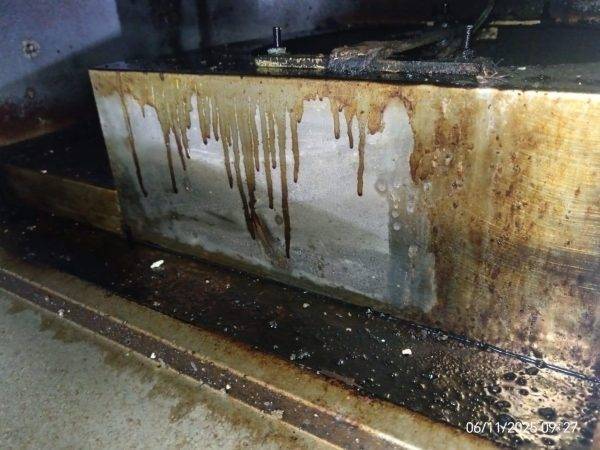

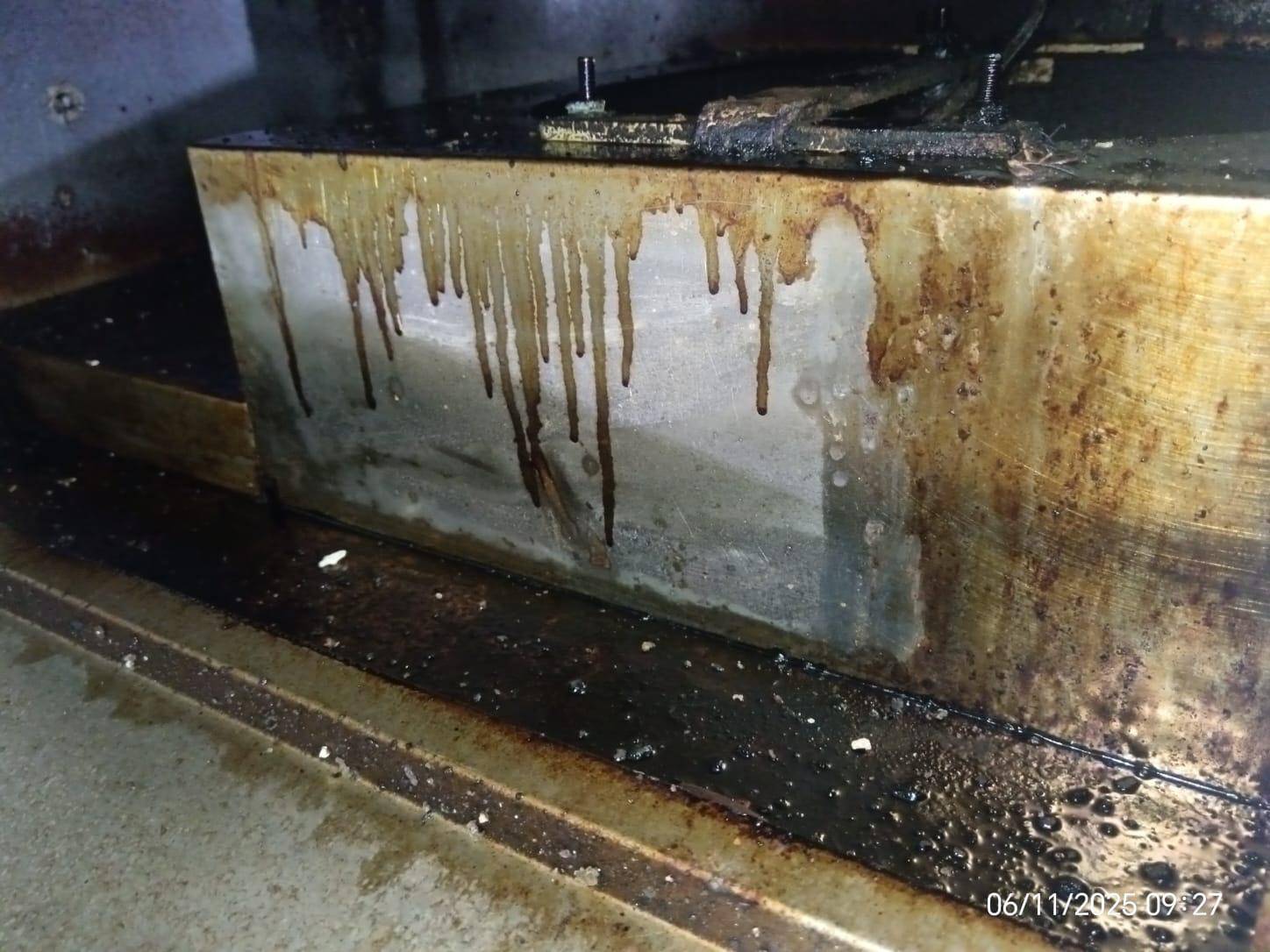
How do newly opened shops, top-notch restaurants and daily operations look at “smoke hood cleaning”?
Professional catering design books also point out that the design of food service facilities must consider both operating processes, equipment configuration, labor and long-term costs, otherwise the owner will have to bear high labor, energy and maintenance costs for a long time due to poor kitchen design and equipment.
In terms of the actual situation of Hong Kong restaurants, “hood cleaning + exhaust system maintenance” is crucial in three stages:
1) Before opening a new restaurant/licensing inspection
- The kitchen ventilation system is an important part of the design plan, and FEHD inspections will pay attention to whether there are serious oil accumulation, oil dripping, noise or odour problems.
- If the housing estate/shopping mall has additional ventilation and deodorization requirements, the property management company may even ask for cleaning and maintenance records.
Therefore, a complete fume hood cleaning and ventilation system inspection before licensing can greatly reduce the risk of redo works or delayed opening.
2) Top restaurant
- Most first-hand kitchens have been in operation for many years, and the hoods, air ducts, pig cage fans, and hookah hood tanks are often covered with thick grease.
- New owners usually don’t know if they’ve done maintenance before, and the safest thing to do is:
- Before the renovation, arrange for the engineering team to check the air volume, design and safety status of the exhaust system;
- At the same time, a “deep cleaning for the hands” is performed to remove old oil stains, and then decide whether the design needs to be improved or the equipment needs to be replaced.
3) Daily operation period
- According to the common requirements of the contract, the exhaust system should be inspected at least annually, and the cleaning cycle ranging from three months to one year should be arranged according to the amount of fumes.
- Proper planning can keep the exhaust system close to the design air volume for a long time, reducing downtime for maintenance and extending the life of the equipment.
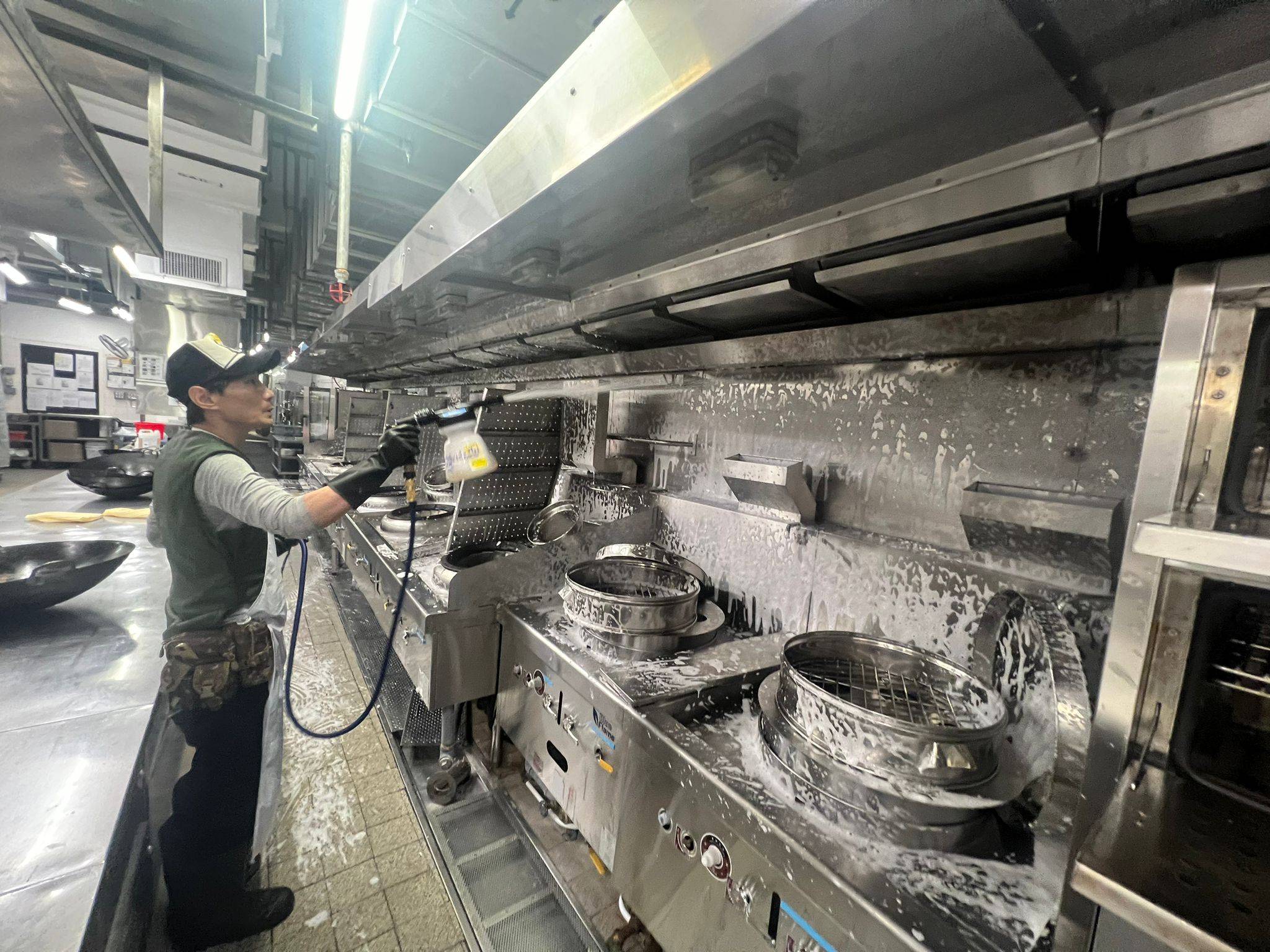
Common types of restaurant exhaust systems and hoods
A typical restaurant exhaust system and hood consists of the following parts:
- General Exhaust / Range Hood: stainless steel hood, baffle filter, oil collection tank, lighting, short air duct, directly covering the stove head.
- Hoods and Water Scrubbers: Use water curtains or water sprays to cool and intercept oil mist, often found in large fume kitchens, and the system includes hoods, water tanks, pumps, and waterways.
- Electronic Degreaser EP: Uses high-voltage electric fields to absorb oil mist particles, commonly found in shopping malls, residential rooftops, and other places with high emission requirements.
- Exhaust AHU / Fan: Directs the exhaust gas from the hood to the outdoor exhaust vent.
- Fresh Air Unit: Replenishes fresh air in the kitchen to avoid low indoor pressure.
“Stove Head → Hood → Duct → Pig Cage Fan/EP → Exhaust Outlet” This path, each section is the key to cleaning and maintenance in the restaurant kitchen.
Cleaning points for fume hoods and exhaust systems for different systems
General hood/range hood
Cleaning Range:
- Fume hood inner cavity
- Baffle Strainer
- Oil collection tank and oil cup
- Connected to short ducts and rotating blades
Cleaning steps:
- Protect the stove and nearby equipment with a tarp and tape.
- Remove the filter and oil cup, soak in an appropriate concentration of degreaser, and then rinse with hot water.
- Spray degreaser on the inner cavity of the hood and short air duct, and after the grease scale softens, use a brush and high-pressure water gun to completely remove it.
- Clean the oil collection tank and oil circuit to ensure no leakage.
- After completion, wipe dry, reset all accessories, and test the machine to check the light and exhaust effect.
Transporting hookahs and water cabinets
Cleaning Range:
- Fume hood inner cavity, degreasing filter, baffle
- Water nozzle, return sink
- Water tank, pump, filter and return pipe
Cleaning steps:
- Shut down, lock the power, and do sufficient safety procedures.
- Drain the water tank, open the access port, and clean the scale and sludge.
- Remove the nozzle and filter for soaking, and use a fine needle to pierce the hole if necessary.
- Use a high-pressure water gun to rinse the hood waterway and water tank to ensure smooth flow.
- Check the operation of the pump and control system, re-add water and chemicals, and test the machine to observe whether the water curtain is even.
Exhaust cabinet/pig cage fan and air duct
Cleaning Range:
- Wind cabinet box, fan blades, motor, belt
- Inner wall of air duct, brackets, louvers and air outlets
Cleaning steps:
- Open the access door or use the air duct cleaning port to enter.
- Spray the fan blades and the inner wall of the box with degreaser, scrape off the oil by hand after the oil scale softens, and then clean it with a high-pressure water gun.
- Use a special brush head or rotating nozzle head to penetrate deep into the air duct and clean in sections.
- After completion, check whether the air duct connection position and hanger are firm to reduce vibration and air leakage.
Electronic Degreaser (EP)
Cleaning Range:
- EP Cartridge Pack
- Inner wall of the chassis, oil collector
Cleaning steps:
- Turn off the power and discharge the filter element.
- The filter element is soaked in a special degreaser, then rinsed with clean water and air-dried.
- Clean the inner wall of the chassis and oil collector, and check whether the electrodes and insulation are intact.
- Install the filter element back and test the machine to ensure that the current and operating sound are normal.
Recommended frequency for cleaning the hood cleaning/exhaust system in a restaurant
In practice, the cleaning frequency needs to be adjusted according to the amount of food served, cooking method, and ventilation design . It can be summarized into the following suggestions:
High oil smoke restaurant (stir-fry, fast food, siu mei, teppanyaki)
- Hood chamber and filter: every 3 months
- Ducts, Extractor Cabinets/Cage Fans: Every 3–6 months
- Hookah hood tank and nozzle: every 3–6 months
- EP Filter: Approximately every 3–6 months, depending on the amount of oil
General restaurant/coffee shop (medium fumes)
- Hood chamber and filter: every 6 months
- Air ducts, extractor cabinets/cage fans, EP: Every 6–12 months
A kitchen that mainly steams and bakes with less fumes
- Comprehensive inspection: Once a year, local cleaning is arranged according to the situation.
Top restaurant or before renovation
It is recommended to do a “deep cleaning + exhaust system inspection before starting the hand“, record the system status with a checklist, and make suggestions for improvement (such as adding cleaning ports, increasing air volume, updating EP, etc.), so that the new boss can clearly understand the risks and budget.
Further reading: <A complete guide to cleaning the hood and restaurant kitchen, you must do the> best work in the restaurant and the license inspection
How to plan a “hood cleaning + exhaust system maintenance” contract?
If you plan to clean regularly, refer to our past maintenance contract practices, the regular cleaning contract will have the following elements:
- Clearly define the scope of equipment: fresh fans, exhaust cabinets, air ducts, general smoke hoods, hookah hoods, water tanks, electronic degreasers, and other deodorizing equipment.
- Distinguish between routine inspections and deep cleaning: routine inspections include fans, bearings, belts, wires, noise and vibration, etc.; Deep cleaning is classified according to the system, listing the parts that must be cleaned and the methods one by one.
- Present the cleaning frequency in a table: Establish different cycles according to the type of restaurant (stir-fry, fast food, Western food, central kitchen, etc.).
- Working hours: Most of them are arranged late at night or early in the morning to reduce the impact on business and are clearly stated in the contract.
- Reports and Records: Provide photos and reports after each service and keep records for inspection by owners, shopping malls or insurance companies and the FEHD.
- Emergency support mechanism: Add an emergency call-out clause in case of ventilation failure or odor complaints, clarifying charges and arrival times.
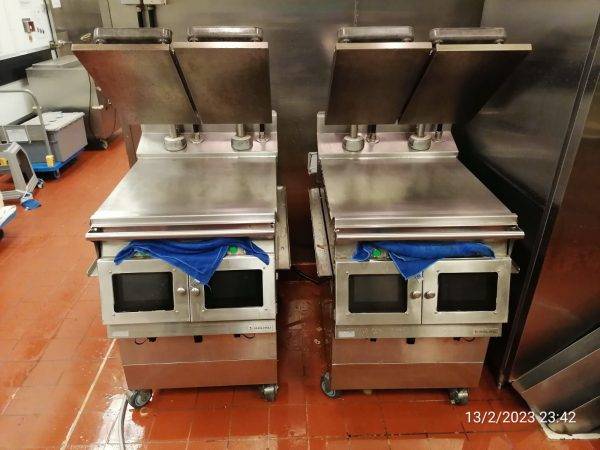
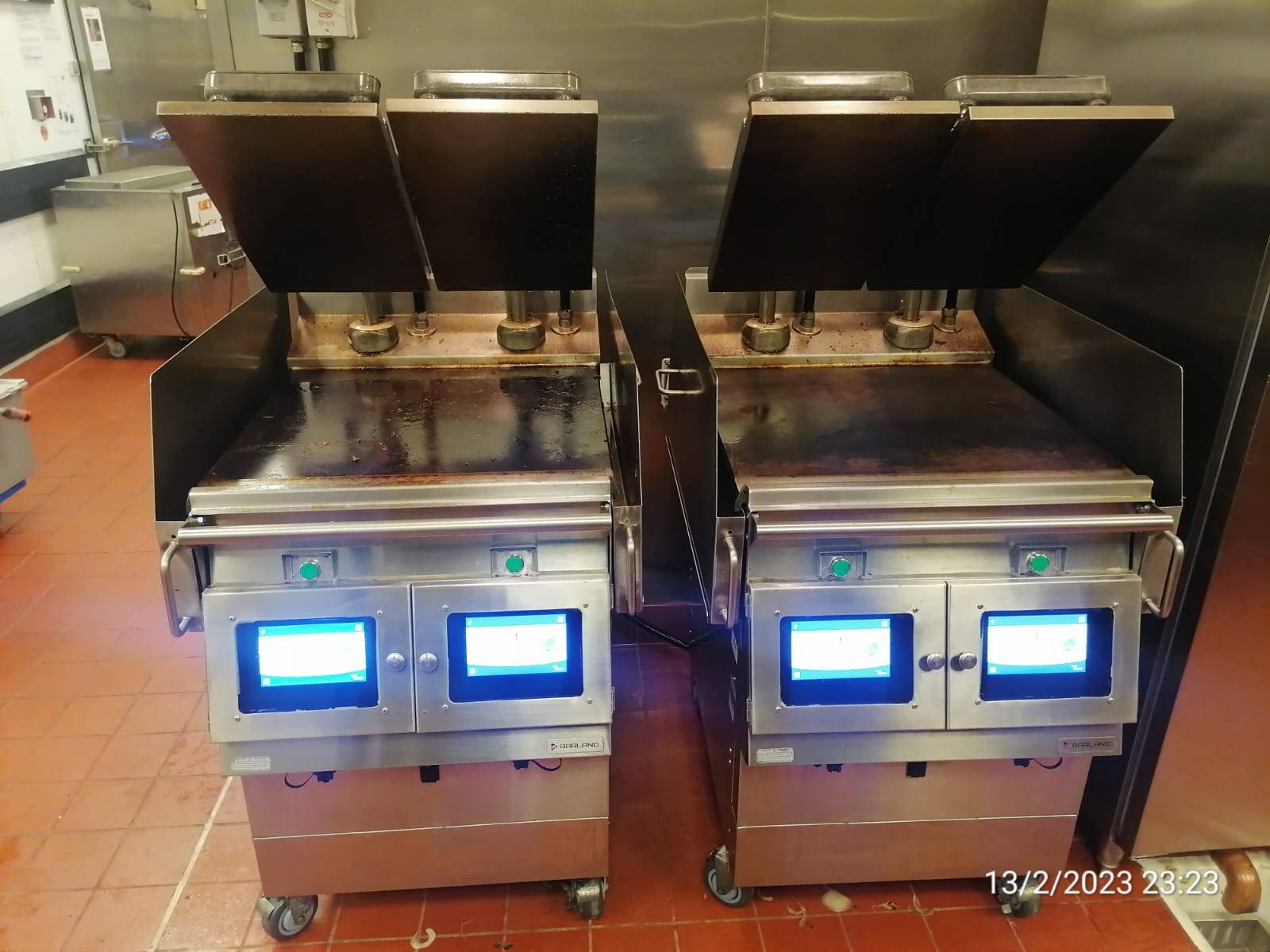
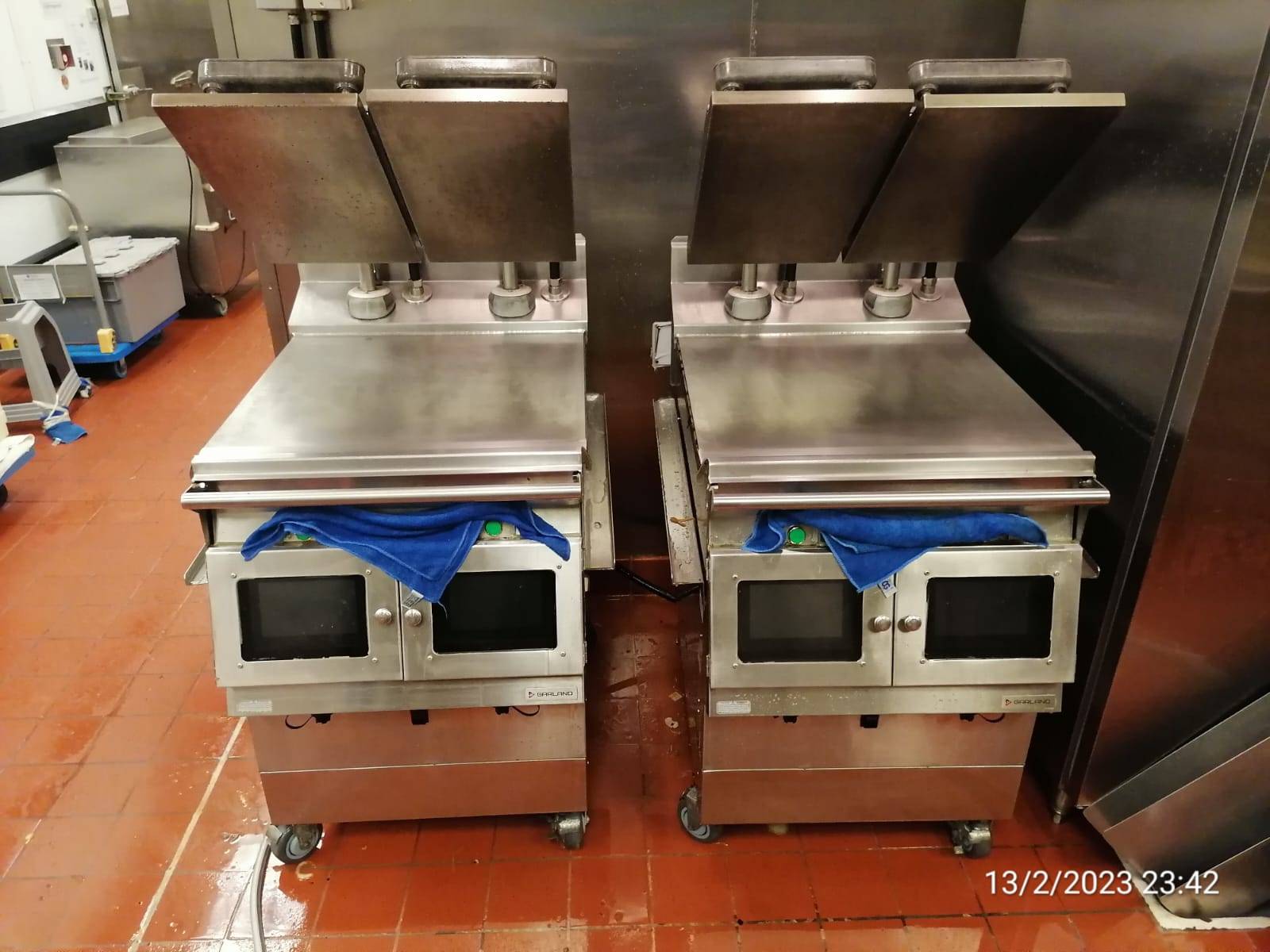
Contact us: Get a free consultation and quote
Fidelity Kitchenware has been providing kitchen ventilation systems and hood cleaning services to government departments, catering chains and SME restaurants for many years, and is familiar with the FEHD’s requirements for annual ventilation system inspection certificates and the guidelines set by the Fire Services Department on ventilation system compliance. Whether you just want to do a pre-hand deep cleaning, or you want to arrange monthly/quarterly maintenance in accordance with the license and insurance terms, we can help you plan from a compliance and engineering perspective to avoid future problems with the ventilation system that affect licensing and operations.
- Free Initial Consultation: Understand the type of restaurant (new/top/renovated), serving mode and basic information of the ventilation system.
- On-site inspection and simple assessment: The engineering team inspected the hood, air duct, exhaust cabinet, EP, and water transport system, and conducted simple air volume and noise tests if necessary, providing a “top-hand/card” risk assessment.
- Develop a cleaning + maintenance plan: Design cleaning frequency and construction schedule based on actual oil fumes and business hours, and can be combined with other restaurant kitchen cleaning services such as cold storage and refrigerator maintenance.
- Construction and safety management: Experienced technicians clean the hood and the exhaust system during non-business hours, operate according to engineering standards, and take protective and safety measures.
- Completion Report and Long-term Follow-up: Photos and presentations before and after delivery, suggesting the next cleaning time and any design/equipment that needs to be improved, helping the restaurant to pass the licensing inspection and insurance review in daily operations.

More information about the operation of the catering industry: https://fulltechse.com.hk/guide/
Cleaning service enquiries: https://fulltechse.com.hk/contact-us/
Frequently Asked Questions (FAQs)
Q1: When should a first-hand restaurant arrange the first smoke hood cleaning?
A1: It is recommended to arrange a comprehensive inspection and deep hood cleaning after signing the contract and before formal decoration. This way, you can grasp the actual condition of the old system, and if necessary, handle the air duct cleaning, adding cleaning openings or replacing the cage fan/EP to avoid dismantling the problem after the renovation is completed.
Q2: What is the difference between restaurant hood cleaning and regular kitchen cleaning?
A2: General cleaning is mostly concentrated on the floor, walls, work tables and equipment surfaces; Fume hood cleaning includes all oil accumulation locations such as the hood cavity, filter, air duct, exhaust cabinet/pig cage fan, hookah hood water tank, and EP filter element, which require special degreasers, high-pressure water guns, and experienced technicians to handle.
Q3: How often should restaurants clean their hoods?
A3: For high-fume restaurants such as stir-fry, fast food, and siu mei, it is generally recommended to clean the hood and filter every 3 months, and clean the air duct and exhaust cabinet every 3-6 months. Western food and coffee shops can be cleaned once every 6–12 months; Central kitchens or food factories usually require full cleaning every 3–6 months.
Q4: What are the consequences of not cleaning the hood and duct for a long time?
A4: The air volume will drop significantly, the kitchen will become steamy and smelly, and the working environment of employees will be poor. More seriously, the risk of fire has skyrocketed, and once the oil scale catches fire, it will spread rapidly along the air ducts, and may affect insurance claims and food and environmental protection licenses.
Q5: Will fume hood cleaning affect business? Can I do it at night?
A5: Most hood cleaning and restaurant kitchen cleaning projects can be scheduled during non-business hours, such as late night to early morning after supper. Full Tech will design construction periods based on your business hours to minimize downtime.
Source:
NFPA 96《Standard for Ventilation Control and Fire Protection of Commercial Cooking Operations》
Norfolk County Council, UK: Kitchen extraction systems (fire risk)
PH Water Technologies: Kitchen Grease Extraction System Cleaning (Insurance Cleaning Frequency)
Fidelity Kitchenware All Rights Reserved
Thanks for another great post as always.
Thanks for the thorough walkthrough, much appreciated.